We are the voice of the Cereals value chain. Over the past year, Cereals Canada continued to monitor market access issues, provide market support and programming, and promote the use of Canadian cereals in the global marketplace.
Canada has long held a reputation as a breadbasket to the world with over 100 years of Canadian wheat and cereal grain exports providing food worldwide. Canada’s continuing success in global cereals markets, as well as the continued importance and growth of the Canadian grains and oilseeds sectors, has been a result of continued investments and innovation in the Canadian grain value chain. Cereals Canada represents wheat, barley and oats and works with Canada’s customers at home and abroad to ensure that Canadian quality is translated into value.
These investments have paid off for Canada and our cereals sector alone has developed into an industry that provides almost $69 billion to the Canadian economy each year. In the face of ever-growing global competition and the need to meet tighter standards for safety and sustainability, Canadian farmers have shown resiliency. Despite these challenges, they continue to provide a living for the thousands of families and workers who depend on agriculture for their livelihoods. On average, the Canadian cereals industry contributes over 370,000 paid full-time equivalent jobs to the Canadian economy.
Cereals Canada supports its members by gathering market intelligence, responding to market access issues, building strong relationships, supporting government engagement for trade relations, enhancing market differentiation, increasing customer value and engagement, and maintaining value chain partnerships. This provides tangible benefits that are indispensable for the long-term competitiveness and sustainability of Canada’s cereal industry.
Cereals Canada will continue to work on behalf of our members and customers. While there are always challenges in the grain sector, I am confident that by building on our current strengths and leveraging our collective expertise, we can navigate these obstacles effectively. We will continue to advocate for policies that support the growth and sustainability of the grain industry and foster strong partnerships both domestically and internationally.
In 2019, Vietnam’s regulator added creeping thistle to its list of prohibited pests and thereby restricted Canadian wheat imports, as these seeds were present in Canadian cargoes. In late 2023, following outreach and engagement by Cereals Canada and the CFIA, Vietnamese regulators removed creeping thistle from their prohibited pest list. This decision reopened Vietnam to bulk shipments of Canadian cereals.
Market Research and Blending Methods
Assisting Canadian Wheat Customers
Cereals Canada was approached by a customer in a core market who was experiencing a quality issue when processing hamburger buns, resulting in holes under the crust and blistered tops, and was concerned the issue was caused by the quality of Canadian wheat. Using a sample of the customer’s flour to assess in our bakery, our technical team determined the quality issue was due to an ingredient used in the formulation and successfully resolved the issue.
Dean Dias, CEO
I am pleased to once again present our annual report, which highlights the expertise, leadership, and dedication of the Cereals Canada team.
Each year, Cereals Canada works hard to maintain strong and diversified export markets for Canadian wheat, barley, and oats in a highly competitive global market. On behalf of our members, we gather, analyze, and disseminate data for Canada’s wheat crop, and build relationships with global buyers.
We advocate for Canadian cereals, providing support and unbiased advice to our domestic and global customers, industry, and governments. We inform and provide technical support and training for customers, farmers, and the value chain. We liaise with governments on market access issues and collaborate with the industry on key initiatives like the Indo-Pacific Agriculture and Agri-Food Office.
And this is all done by our team of experts, in our one of kind facilities, in the heart of Winnipeg, Manitoba.
The Economic Impact of Cereal Grains on the Provincial Economies
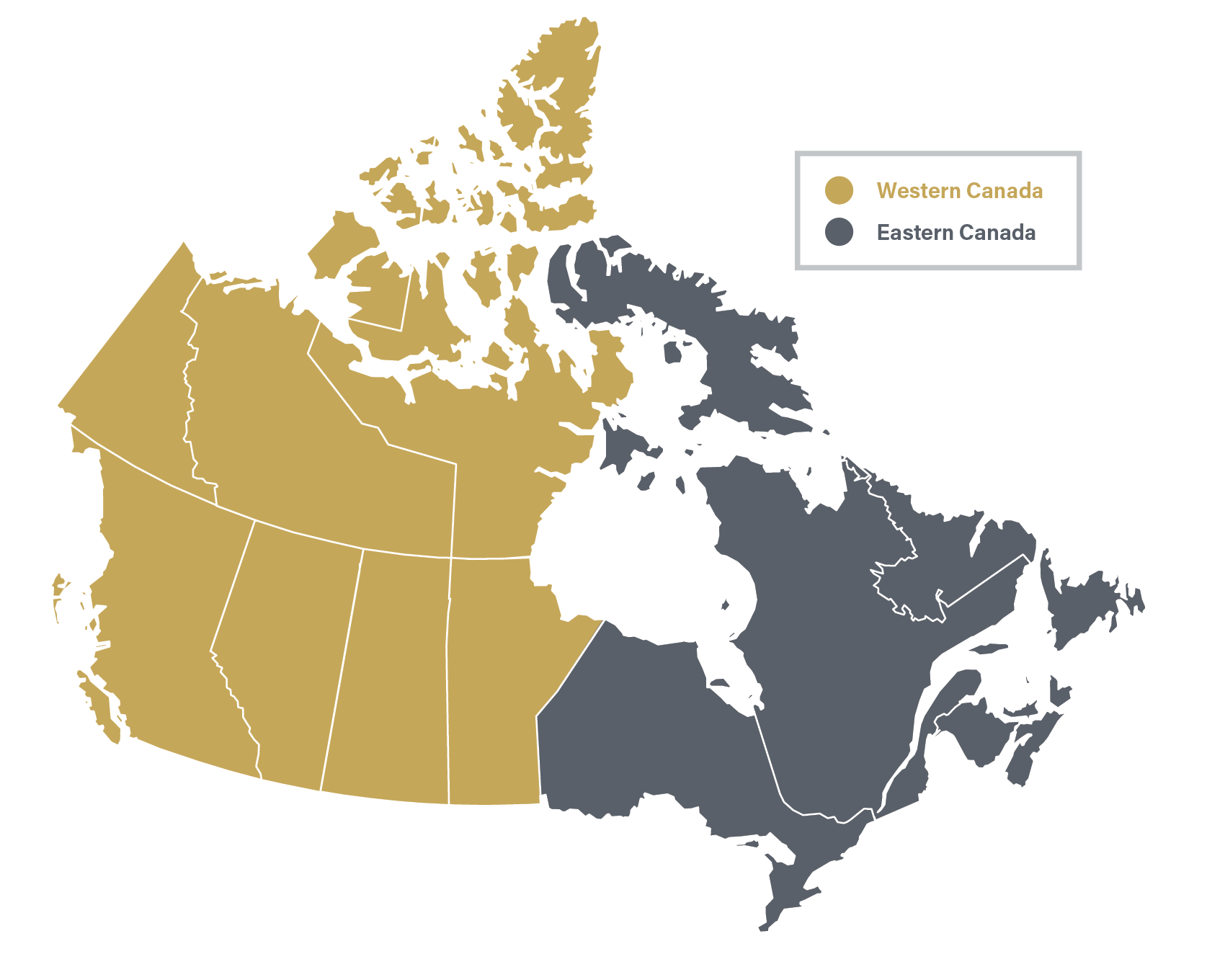
In 2023, Cereals Canada released seven provincial reports detailing the economic impact of Canadian wheat, barley, durum, and oats in British Columbia, Alberta, Saskatchewan, Manitoba, Ontario, Quebec, and the Maritimes.
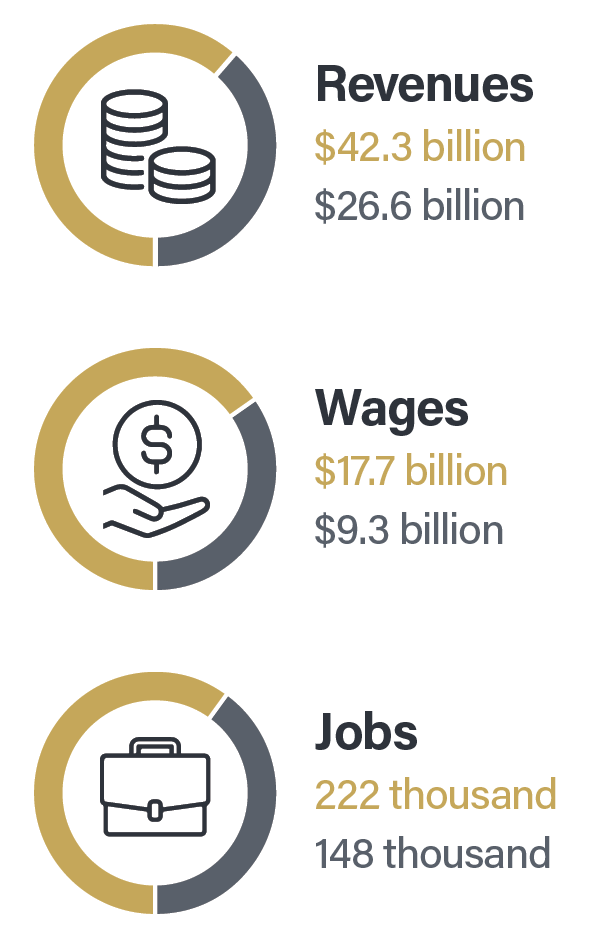
The reports, prepared by GlobalData, highlight how each province or region contributes to the Canadian cereals industry’s total economic impact of $68.8 billion, including more than 370,000 full-time jobs, and $27 billion in wages.
Total Economic, Employment, and Wage Impact by Region Click the map to read the economic impact reports for each province.
“It is important to recognize how each province and region plays a role in the strength and success of our industry, whether its grain production, processing, or shipping. As these reports demonstrate, the collaborative efforts within Canada’s cereal industry yield a substantial influence on the country’s economy.”
Cereals Canada works closely with growers, regulators, customers, and our supply chain partners to ensure that Canada’s safe, high-quality grain exports align with international and domestic standards such that our products have access to global markets. The organization’s market access strategy supports policies and approaches to minimize trade disruptions and maximize trade opportunities.
As directed by our members, Cereals Canada represents our sector in matters of international trade policy and market access. Through engagement and joint action with our domestic and international stakeholders, we monitor, identify and work to resolve market access barriers for Canadian crops. This work highlights the effectiveness of the Canadian quality control system in providing valuable, reliable grain with consistent quality to our customers.
Celebrating Canada’s Growing Presence in the Indo-Pacific
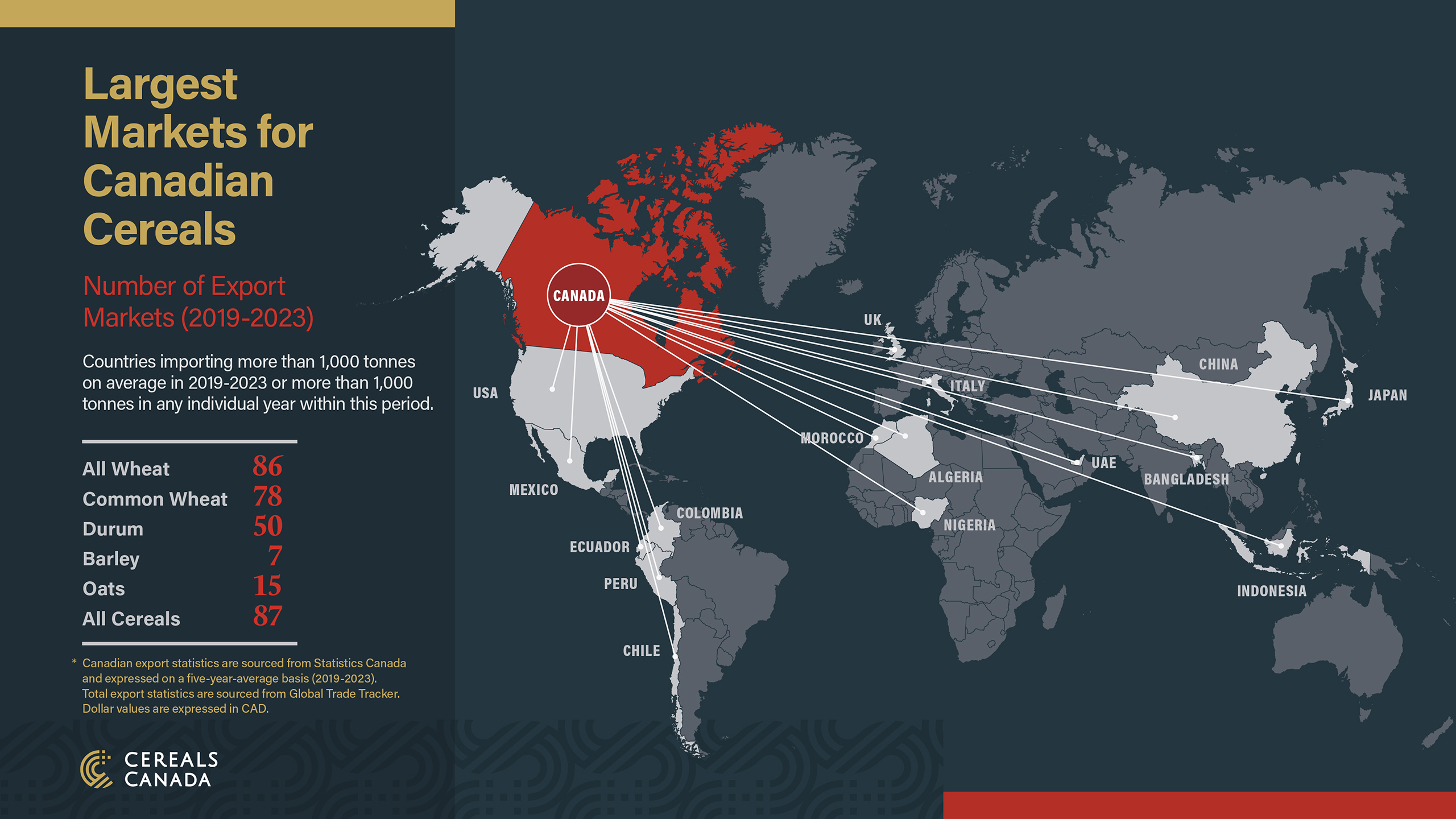
Canadian cereals grains are exported to over 87 countries to help meet food security. Indonesia, one of the world’s largest markets for non-durum wheat and home to the world’s largest flour mill, imported 10.6 million tonnes of non-durum wheat (from all suppliers) in 2023. Currently, Canada supplies 2.3 million tonnes to Indonesia, valued at over $1 billion.
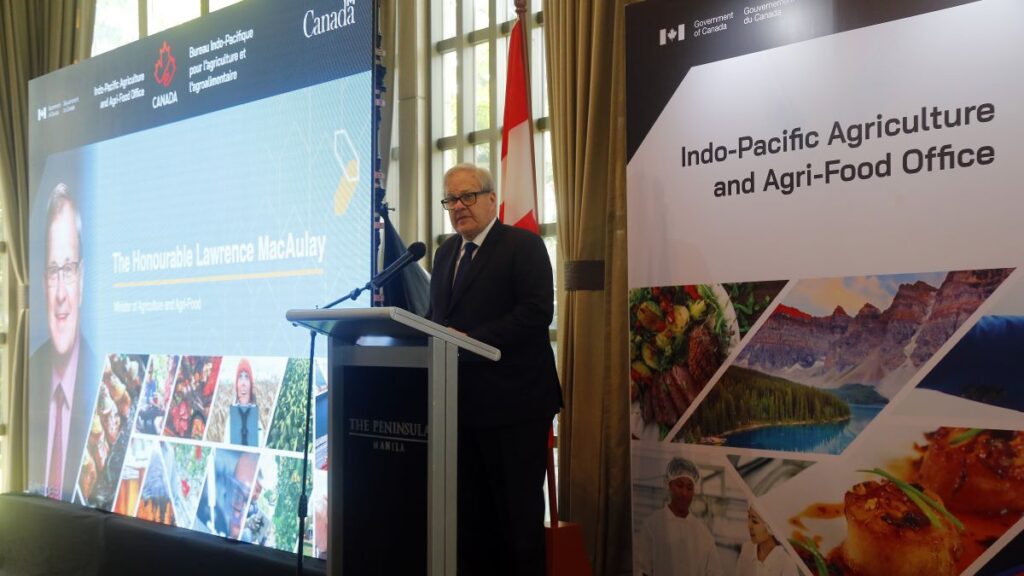
In February, Cereals Canada applauded the opening of the Indo-Pacific Agriculture and Agri-Food Office (IPAAO) in Manila, Philippines. The office marks a significant step in the government’s commitment to bolstering Canada’s presence and influence in this dynamic and fast-growing region and plays an important role in advancing Canada’s Indo-Pacific Strategy.
Lawrence MacAulay, Canada’s Minister of Agriculture and Agri-Food, speaks at the IPAAO opening
“The Indo-Pacific is an important and growing region for Canadian cereals, representing approximately $2.7 billion CDN in annual purchases. We are pleased to see the opening of the Indo-Pacific Agriculture and Agri-Food Office and we look forward to working with IPAAO staff to build existing relationships and foster new partnerships in the region.”
– Dean Dias, CEO
Market Access and Advocacy
Mark Walker, Vice President of Markets and Trade
Cereals Canada continued to represent our members’ interests nationally in Ottawa through frequent consultation with our members, consistent outreach with Ministers, Members of Parliament, and senior officials. Participation in the Canadian Agri-Food Trade Alliance (CAFTA), as a member of that organization’s executive, helped Cereals Canada leverage relationships and build synergies with like-minded national agriculture organizations.
Dean Dias and Mark Walker (second from left) meet with Manitoba MPs, Minister Vandal and Minister MacAulay
Growing Season Progress Report: Keeping Customers Informed
Throughout the growing season, Cereals Canada works with provincial departments of agriculture to provide timely updates on seeding, crop conditions and quality, and harvest for wheat in Alberta, Saskatchewan, and Manitoba. The information is presented in a user-friendly format with provincial highlights, maps, and links to crop reports. Our interactive Growing Season Progress Report is followed by customers around the world and is our second most viewed webpage, following our homepage.
Leif Carlson, Director, Market Intelligence and Trade Policy
Cereals Canada supports the work of the Canadian government and other member states to keep the WTO at the forefront of trade opportunity and economic growth. In March, Leif Carlson participated in the World Trade Organization’s 13th Ministerial Conference, along with other members of CAFTA and Minister Ng, to emphasize why a highly functioning WTO is crucial for Canada’s global success.
Leif Carlson (far right) with the CAFTA delegation at MC13
Helping Canadian Farmers Grow Market-Ready Crops
Keep it Clean continues to serve as a partnership helping us all do our part to keep markets open for Canadian grain and uphold our international reputation as a trusted supplier of world-class canola, cereals, and pulses.
Targeted to growers selling their grain over the winter, Keep it Clean promoted its “Deliver What You Declare” messaging. The posts, which were shared on Keep it Clean’s social and traditional media channels, as well as through grower groups, reminded growers that when signing the mandatory Declaration of Eligibility affidavit, they are making a legal assertion that their crop is the variety and/or class designated and that it was not treated with the crop input products specified in the declaration.
Exporter Updates
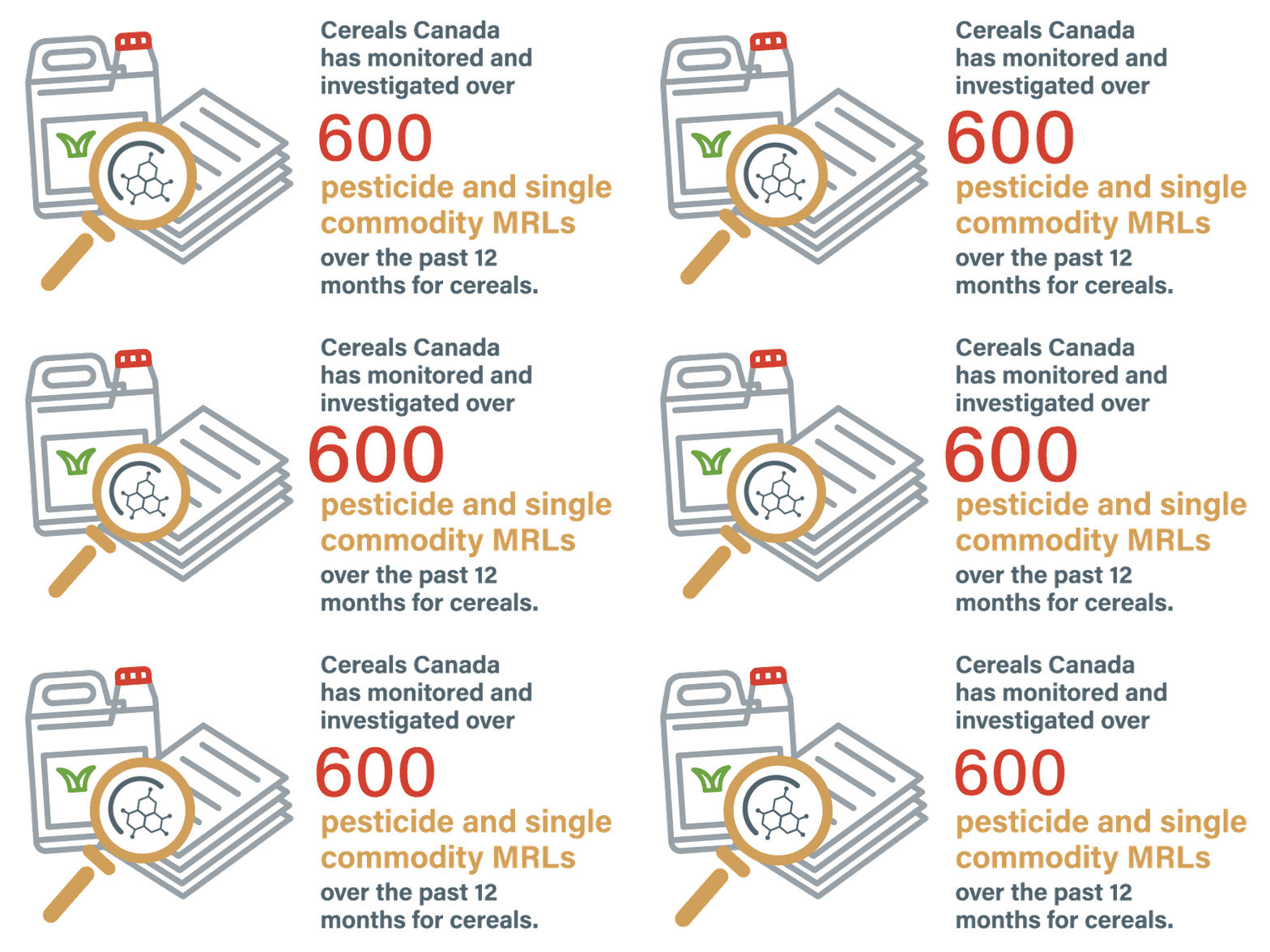
Cereals Canada produces monthly exporter update reports which are shared with exporter members and grower groups. The reports summarize the changes from the last month in key markets, for wheat, barley, and oats. For wheat alone, more than 80 markets are monitored for MRL changes.
Timely investigation and communication of MRL changes support a proactive approach to help safeguard Canada’s reputation for high-quality, safe grain exports.
The Global Regulatory Landscape Remains Complex
Ensuring crops meet international Maximum Residue Limits (MRLs) is crucial for maintaining open export markets for cereals. Cereals Canada works alongside government, exporters, and grower groups to achieve this goal.
To help prevent disruptions caused by MRL changes, the cereal MRL Assessment Committee met twice over the last year to proactively assess the trade risks associated with new or amended pesticide registrations. The committee met in December 2023 and January 2024 to evaluate the MRL-related trade risk of actives on the Keep it Clean Product Advisory and new actives entering the market.
Cereals Canada stays informed about global MRL and contaminant activity through various sources, including the Market Access Secretariat of Agriculture and Agri-Food Canada and the World Trade Organization reporting. Additionally, they monitor the European Union Early Alerts, United States Department of Agriculture reports, Keep it Clean Advisories, and other sources to identify potential risks associated with MRL establishments, revocations, and changes in cereals.
Cereals Canada Takes Lead Role in Response to Chlormequat Media Attention
Cereals Canada Takes Lead Role in Response to Chlormequat Media Attention
In February 2024, US and Canadian media stories featured a report published by the Environmental Working Group (EWG) about the presence of chlormequat, a plant growth regulator, in several oat-based foods. The EWG is widely known for putting out an annual “Dirty Dozen” list.
In response, Cereals Canada led media monitoring, connected industry, developed key messages, and briefed members and stakeholders on the safety of chlormequat. We continue to monitor the situation; however, all oat products tested by the EWG fell far below acceptable levels for chlormequat.
Cereals Canada’s Response to EU Commission Regulation Proposal on Plants
Cereals Canada’s Response to EU Commission Regulation Proposal on Plants
In October 2023, Cereals Canada provided a response to the European Union (EU) Commission Regulation Proposal on Plants obtained by certain new genomic techniques (NGTs) and their food and feed. Our organization voiced that any plant derived from NGTs that is considered conventional-like should be subject to the same regulatory framework as those developed using conventional breeding, similar to recent evolutions in Canada guidelines around gene editing.
The development of consistent policies and requirements between trading partners in this area will help ensure food and commodities will continue to be delivered to consumers, without inadvertent or unnecessary disruption. Currently, there are no commercially available or approved wheat varieties grown in Canada which are genetically modified or gene edited. However, for crops like cereals, it is important that the legislation is forward thinking.
As this policy evolved in the EU, traceability and labelling of food and feed were reflected in newer drafts, including requirements around document-based traceability for NGTs. This would prove extremely difficult in the context of the bulk handling system with cereals developed using gene editing in the future.
Market Access and Advocacy
Krista Zuzak, Director, Crop Protection and Production
In March 2024, Krista Zuzak participated in a Canadian delegation to Brussels in March 2024, along with Canada Grains Council and an exporter, to meet with Euroseeds, Copa Cogeca, Coceral, and DG Trade. The trip concluded with a roundtable discussion attended by 17 EU Member State representatives, hosted by the Canadian mission, to share information on the benefits of NGTs and the Canadian grain handling system.
Krista Zuzak (far left) participates in a Canada Grains Council delegation to Brussels
Sustainability
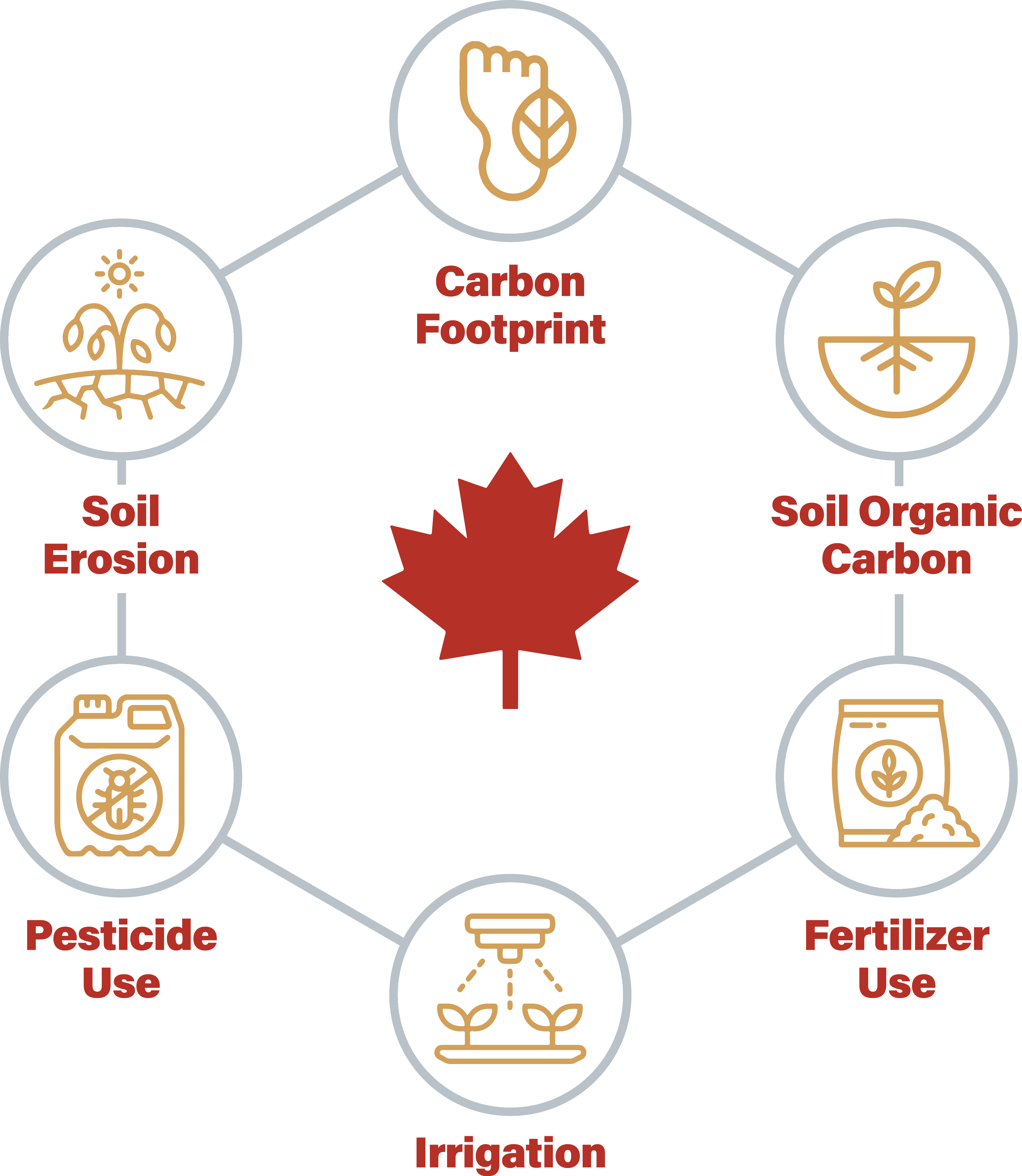
Sustainable agriculture must be guided by the unique crops, soils, and management practices across Canada, while supporting productivity, profitability, and producer livelihoods.
Sustainability in agriculture broadly considers the economic, social, and environmental foundations of our industry. This necessitates the careful consideration and balancing many objectives, including increasing pressure on Canadian agricultural to meet global food security objectives, contributing to a healthy economy, and working with landscapes in a way that safeguards the environment for future generations.
Work is ongoing through the annual Alberta Soil Science Workshop and Conference to advance industry priorities in agricultural soil research related to nitrogen fertilizer related nitrous oxide (N2O) emissions and soil nitrogen cycling and promote the importance of farmer-led research to achieve sustainability goals.
Additionally, Cereals Canada staff presented at several events over the year to advance sustainability on behalf of the Canadian cereals value chain, including a panel discussion at the Baking Association of Canada Conference, which presented an opportunity to highlight the importance of Canadian cereals’ sustainability profile, at home and abroad.
National Wheat Research Inventory
Cereals Canada has launched an upgraded National Wheat Research Inventory website. The new site features more user-friendly search tools and an upgraded layout.
The National Wheat Research Inventory was developed in 2018 to support ongoing evaluations of research against established goals. The Inventory also allows funding and research agencies and governments to easily compare activities and identify potential synergies, redundancies, and gaps.
Access to the Inventory is available to researchers and project funders through the Cereals Canada Research Membership. Visit Research Inventory to request access or submit new project information.
Canadian wheat competes in the “quality” segment of world wheat trade—an approach that has been proven successful. This quality comes with a higher cost; however, Cereals Canada works with Canada’s customers at home and abroad to ensure that Canadian quality is translated into value. This work is done through the technical division. The services that Cereals Canada provide distinguish Canada from its competitors, add value for its customers, and provide a point of differentiation that supports and drives market demand. The resulting benefits for the Canadian economy are huge.
Generating Data to Support Canadian Quality
Each year, the Cereals Canada technical team performs a quality assessment on newly harvested grain samples for milling characteristics, wheat and flour quality, and end-product functionality. The data from the Harvest Assessment is compiled into the “New Wheat Crop Report.” The report, which includes information on the quality and performance of Canadian wheat in end-products such as bread and noodles, is shared with global customers and the value chain.
The data from these evaluations is important for assessing and comparing the physical and functional qualities important to produce end-products. Providing millers, bakers, and processors a deeper understanding of the wheat, allows them to use it to their best advantage, on its own or blended with other wheats from Canada or other markets.
To complete the 2023 Harvest Assessment, 2,011 kilograms of wheat were milled, 124 samples were analyzed for protein content, 286 loaves of bread were baked, 12 kilograms of semolina was processed into pasta, and 18 kilograms of flour was processed into noodles.
2023 Harvest Assessment
Market and Technical Research
Elaine Sopiwnyk, Vice President Technical Services
The Technical Services Division operates under the leadership of Elaine Sopiwnyk, vice president of technical services. Elaine oversees 15 staff members, provides technical expertise to the What About Wheat? campaign, and has led New Crop Trade and Technical Missions for several years, including the 2023 Durum Mission to Italy, Algeria, and Morocco. The annual Trade and Technical Missions are a vital part of Cereals Canada’s New Crop programming and a critical tool in relationship building with global customers.
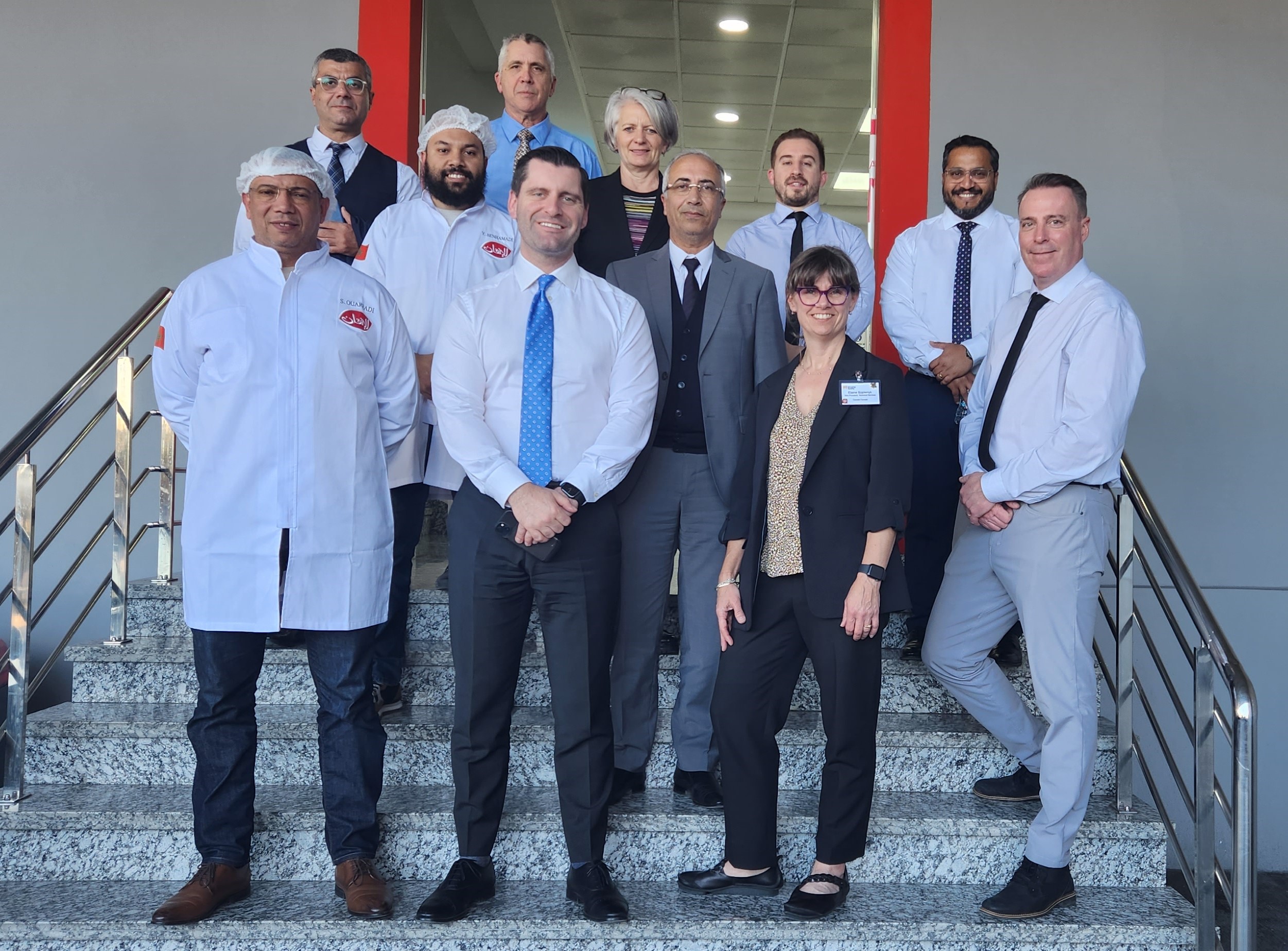
Elaine Sopiwnyk (front row, second from right) visits North Africa during a 2023 New Crop Technical Mission
Keeping Canadian Wheat Competitive
Keeping Canadian Wheat Competitive
Examining the quality of wheat from top export markets each year provides valuable insight into changes in competitor wheat quality year-over-year and how competitor wheats are used in various markets. Cereals Canada uses this information to further understand the quality requirements of global customers and provide the value chain with information to ensure that Canadian wheat quality is continually maintained or improved to remain globally competitive.
Market Research and Blending Methods
Expert Advice, Consistent Quality
Wheat quality changes from year to year based on environmental conditions during the growing season, such as temperature and rainfall. Customers rely on the New Wheat Crop data as it provides them with information on any quality differences from year to year. This information is critical so that they can adjust their processes to maintain consistent product quality. Canadian exporters also rely on this data and expertise provided by Cereals Canada to address technical inquiries from their customers on Canadian wheat quality.
Our experts understand Canadian Cereals:
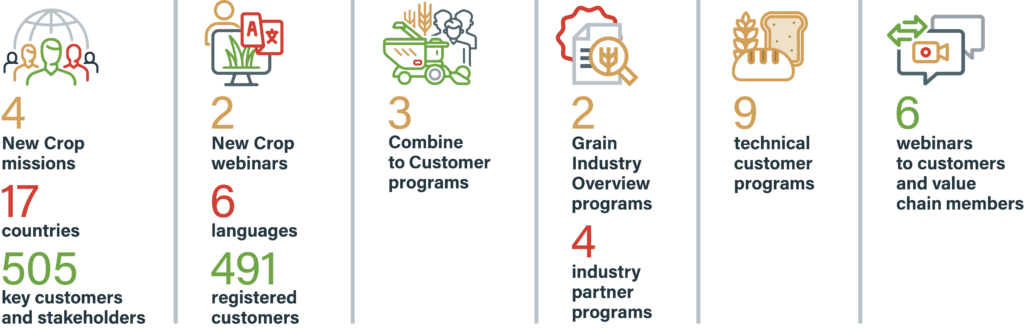
This year, our technical team:
The Cereals Canada technical team members work in six distinct areas:
Analytical Services
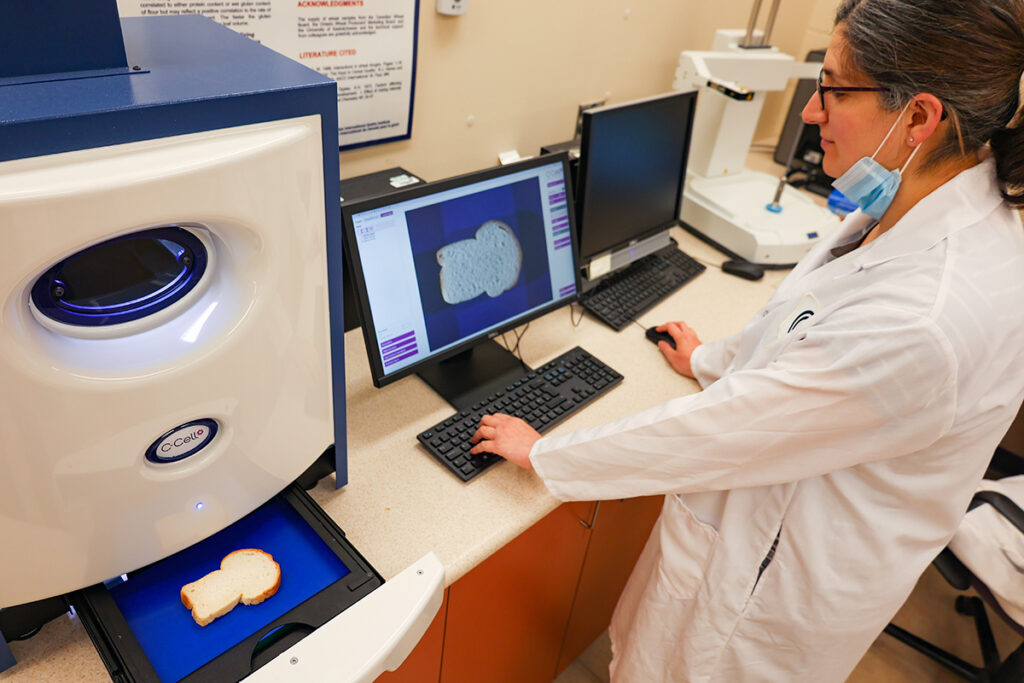
The analytical laboratory at Cereals Canada is similar to quality control facilities found in commercial flour mills. The lab contains a wide range of equipment to support both commercial and research needs by generating results relevant to our global clientele in milling and secondary processing, as well as researchers and plant breeders. The laboratory is a technical resource for the Canadian cereals industry, and Cereals Canada staff actively engage in training, specialized programs, hands-on demonstrations, fee-for-service testing, customer assistance, and applied research activities.
Milling
Cereals Canada is equipped with various mills that are used to evaluate the milling characteristics of Canadian wheat, and to supply flour and semolina to the analytical and end-product teams for testing and assessment. The three mills at Cereals Canada (micro, laboratory, and pilot) are used to demonstrate to customers how Canadian wheat can be processed into a variety of flour products that are used around the world. The pilot mill can produce flour similar in quality to a commercial mill and can be adjusted to replicate milling conditions in warmer, more humid climates.
Bakery
The bakery has a variety of commercial-grade equipment that is used to showcase Canadian flour in products and processes customers are familiar with, and that are relevant to their markets. This allows the bakery team to showcase the applicability of Canadian cereals and highlight why and how flour quality factors into producing a high-quality baked product.
NOODLES/ASIAN PRODUCTS
Asian noodles and steamed breads have specific end-quality attributes that vary by regions throughout Asia. Processing and evaluating different types of noodles, as well as steam buns, provides the knowledge to inform customers on the benefits of using Canadian wheat in these products. The pilot-scale ramen noodle line at Cereals Canada is unique to the facility
PASTA
Cereals Canada’s pasta lab has the capacity to produce short and long pasta and has both lab and pilot scale equipment. This provides flexibility in supporting the value chain as it can work with small or large sample sizes, can mimic commercial production, and has the capabilities to complete multiple tests to assess end-product quality
SPECIALTY MILLING
The pulse processing and specialty milling facility is equipped to process all market classes of Canadian pulses including peas, beans, chickpeas, and lentils.
There is no other place in Canada that is equipped and staffed with the experts to do this type of testing, all under one roof.
Excellence in Analytical Accuracy
The Cereals Canada Analytical Services laboratory was awarded the Analytical Accuracy Award and Outstanding Proficiency Rating from the Cereals and Grains Association (CGA) for their performance on the check sample for the Farinograph in 2022. To receive a CGA check sample proficiency award, a lab’s results must be close to the average (i.e., low standard deviation), and they must submit all check sample results for a calendar year. This is the third time the lab has been recognized for its accuracy.
Market Support and Development
Cereals Canada programs serve as vital platforms for market intelligence, relationship-building, and industry advocacy, offering tangible benefits that are indispensable for the long-term competitiveness and sustainability of Canada’s cereal industry.
By leveraging the technical facility and our international engagement effectively, the Canadian value chain can assert our presence in global markets, differentiate our products, and secure our position as preferred suppliers, ensuring the continued prosperity of the entire value chain.
Gathering Market Intelligence and Access Issues
Gathering Market Intelligence and Access Issues
Our programming, including New Crop Trade and Technical missions, workshops, and exchanges, provides a crucial platform for understanding market specific access issues and regulatory requirements that could potentially disrupt trade. For instance, insights gained from missions can help navigate challenges such as Japan's fumigation regulations, ensuring smooth and uninterrupted export operations. Often face-to-face discussions provide better understanding of the issues/concerns and improved opportunities for resolution.
Building Strong Relationships
Building Strong Relationships
Establishing and nurturing strong relationships with key stakeholders in core markets is imperative for sustained success. By actively engaging with millers, bakers, and quality assurance professionals, we assist in fostering trust and loyalty across the Canadian value chain, ensuring there is a positive narrative about Canadian cereals by those who understand and appreciate its quality and value. These strong relationships built through our technical engagement help resolve market access issues by relying on our customers to be our voice in these markets.
Supporting Government Engagement for Trade Relations
Supporting Government Engagement for Trade Relations
Senior-level representation facilitates high-level government meetings, paving the way for the development of robust trade relationships. Such engagements not only enhance market access but also foster a conducive environment for predictable trade, instilling confidence in both domestic and international partners.
Enhancing Market Differentiation
Enhancing Market Differentiation
In the face of increasing centralization of trading activities in key hubs like Singapore, Dubai, and Geneva, it becomes imperative to actively promote Canadian cereals and differentiate them from competitors. Work conducted through the technical facility and international programs allows for direct engagement with customers, reinforcing the unique value proposition of Canadian cereals and mitigating the risk of being overshadowed by centralized trading entities who may not be able to adequately differentiate Canadian cereal quality from the quality of cereals from other competing origins.
Increasing Customer Value and Engagement
Increasing Customer Value and Engagement
The overwhelming attendance at domestic and international programs, seminars, workshops, and meetings underscores the perceived value and importance attributed to such engagements by customers. By facilitating open dialogue and addressing concerns, we can strengthen customer relationships and foster a deeper appreciation for Canadian cereals, ultimately driving demand and sustaining the entire value chain.
Enhancing Value Chain Partnerships
Enhancing Value Chain Partnerships
The participation of various stakeholders along the value chain, including producers, exporters, CGC and senior Cereals Canada staff, ensures a comprehensive representation of the industry's interests. This multi-faceted approach not only enhances the credibility of the mission but also emphasizes the collective commitment towards promoting Canadian cereals globally.
Use the interactive map at cerealscanada.ca to see highlights for each market.
Connecting the Canadian cereals value chain to our global customers is an integral part of the mandate of Cereals Canada. Through dedicated, targeted programming, we engage with customers to discuss cereal quality and functionality, address any market concerns, and provide updates on research and sustainability.
Market Support and Development
Lisa Nemeth, Director, Market Support and Training
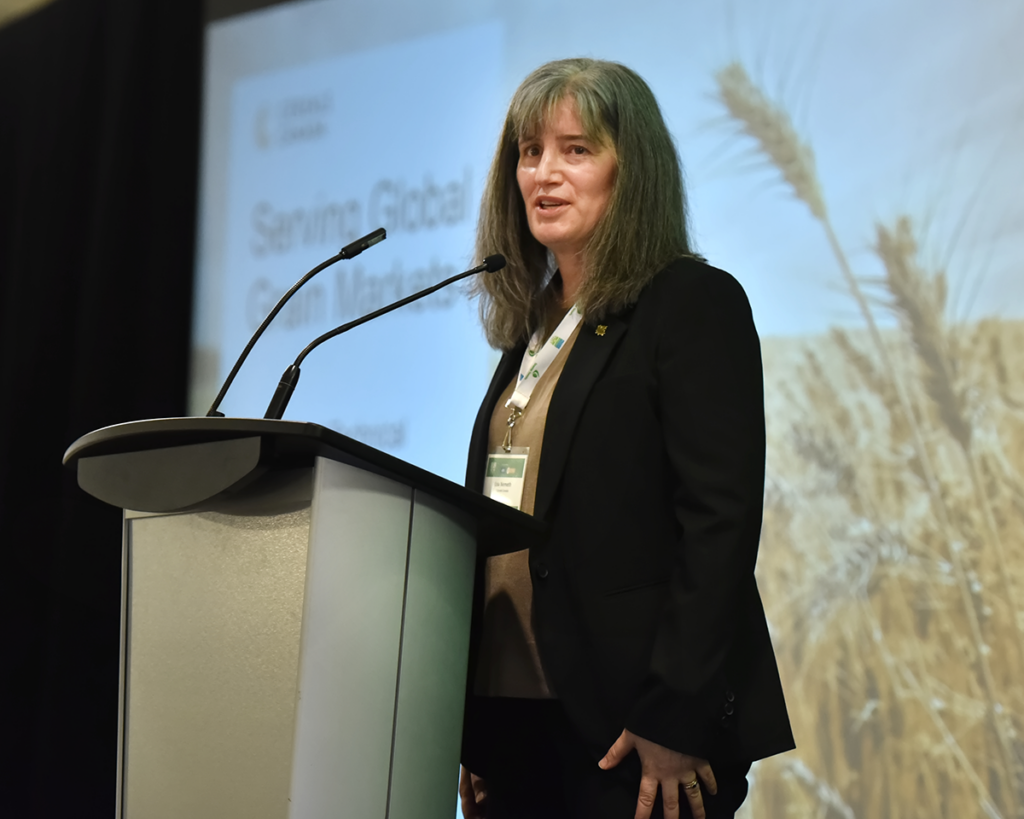
In December, Lisa Nemeth, director of market Support and training, joined a markets and trade panel at the Alberta Grains Prairie Cereals Summit. Lisa presented “Serving Global Grain Markets: Trade and Technical Activities” to highlight Cereals Canada’s market focused programs including new crop trade and technical missions. Alberta farmers who have been involved in new crop missions were also part of the panel and had positive comments describing their experience and roles as part of the New Crop Trade and Technical Mission value chain approach.
Lisa Nemeth presents at the Alberta Grains Prairie Cereals Summit
2023 New Wheat Crop Report
New Crop Events provide functionality and quality updates about the crop year to key markets. Cereals Canada, along with the Canadian Grain Commission, wheat commissions, farmers, and the cereals value chain, share information about the quality and functionality of the current years’ wheat crop with domestic and global customers in a series of webinars and in-country sessions. The 2023 New Wheat Crop Report was delivered to customers, farmers, and the value chain through a series of three webinars, in six languages.
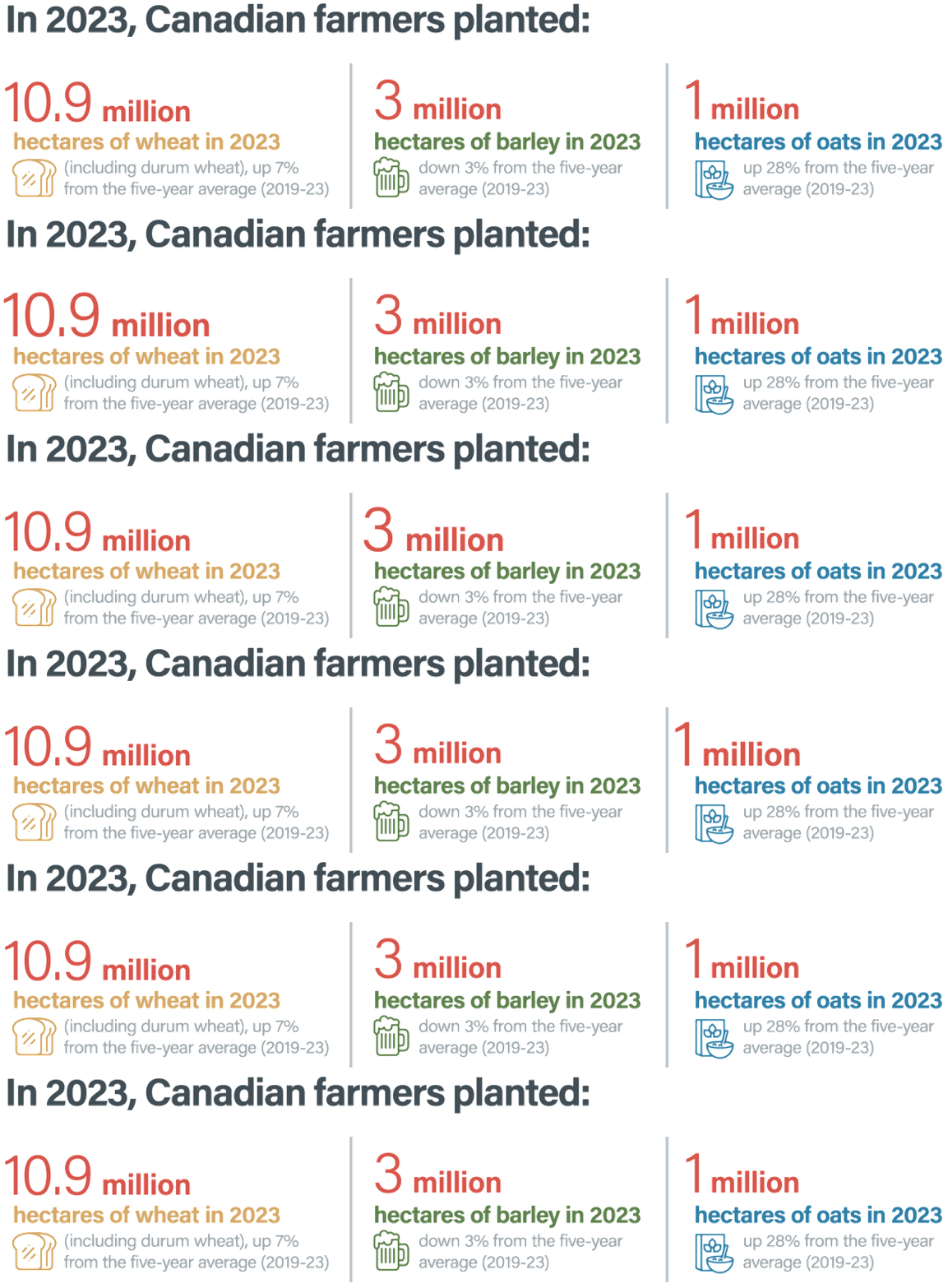
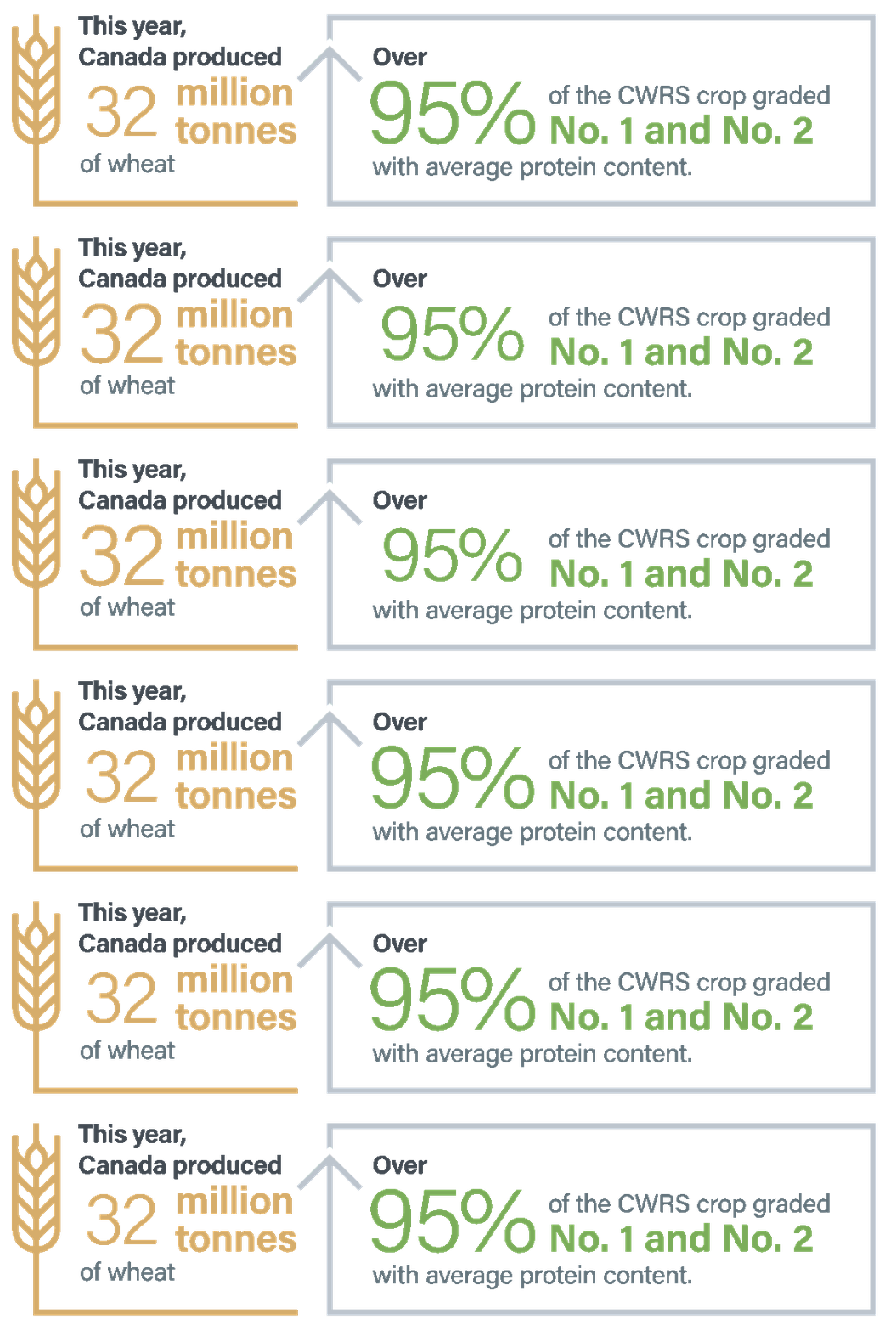
Following the above-average production volumes in 2022, production in 2023 decreased due to dry growing conditions in large areas of Western Canada. This year, Canada grew nearly 32 million tonnes of wheat, a decrease of 7% from last year but consistent with the five-year average.
Canada had excellent quality this year in all wheat classes for the 2023 crop year with the majority grading No. 2 or better and average to higher-than-average protein content. This year’s wheat has lower ash content, allowing millers to optimize extraction.
Teams made up of staff from Cereals Canada, the Canadian Grain Commission, along with producer and exporter representatives, met with customers from over 17 countries at seminars and one-on-one meetings in Asia, Latin America, Europe, Africa, and the Middle East.
Asia Mission
🇯🇵 Japan: 67 at seminar, 45 at one-on-one meetings
🇮🇩 Indonesia: 74 at a seminar, 39 at Bogasari one-on-one meeting
🇵🇭 Philippines: 49 at a seminar, 20 at meetings
🇨🇳 China: 102 at a seminar, 11 at meetings
Cereals Canada’s Asia New Crop Trade and Technical mission highlighted the importance of relationships and on-the-ground engagement to maintain relationships with customers and seize market intelligence opportunities. In-market meetings with customers candidly highlighted the need for industry-government engagement, and provided insights into developing market dynamics for high-protein wheats and new durum milling prospects.
Durum and UK Mission
🇲🇦 Morocco: 18 in one-on-one meetings
🇮🇹 Italy: 37 at a seminar, 5 in one-on-one meetings
🇩🇿 Algeria: 67 at seminar, 9 in one-on-one meetings
🇬🇧 UK: 12 at policy and regulatory meetings
Italy, Algeria, and Morocco were the largest markets for Canadian durum over the last five years. In Algeria and Morocco, where Canadian durum is used for couscous production, Cereals Canada’s technical expertise supports continued sales. In Italy, Cereals Canada maintains relationships with stakeholders to showcase the quality and sustainable production practices of Canadian durum. In the UK, meetings focused on market access and domestic UK regulatory developments.
Latin America Mission
🇨🇱 Chile: 19 in one-on-one meetings
🇵🇪 Peru: 16 at a seminar, 6 at one-on-one meetings
🇪🇨 Ecuador: 23 at meetings
🇨🇴 Colombia: 17 at a seminar, 10 at one-on-one meetings
🇲🇽 Mexico: 28 at a seminar, 17 one-on-one meetings
The Latin America mission includes five markets, purchasing CWRS, CPSR (and/or CP+) and CWAD. Sharing information on production, availability, and quality of Canadian wheat, through seminars as well as meetings, were well-received by customers in these markets, helping them gauge the suitability of Canadian wheat for their particular needs. The highlight for seminar participants was the opportunity to interact directly with Canadian farmers and ask questions about on-farm practices in Canada.
Asia/Gulf/Africa (AGA) Mission
🇳🇬 Nigeria: 19 in one-on-one meetings
🇦🇪 UAE: 16 at one-on-one meetings
🇸🇬 Singapore: 42 in seminar, 7 in 1 one-on-one meetings
🇲🇾 Malaysia: 47 in one-on-one meetings
The AGA mission has stops in four diverse markets with a common appreciation of Canadian wheat that is used to ensure consistent flour quality in blends with other sources. All were appreciative of the in-person interaction and information on production, availability and quality to best understand the fit of Canadian wheat in their production. This was especially noted in Malaysia where a technical team hadn’t visited since 2015 and there was a new generation of staff to build relationships with.
Latin America Technical Mission
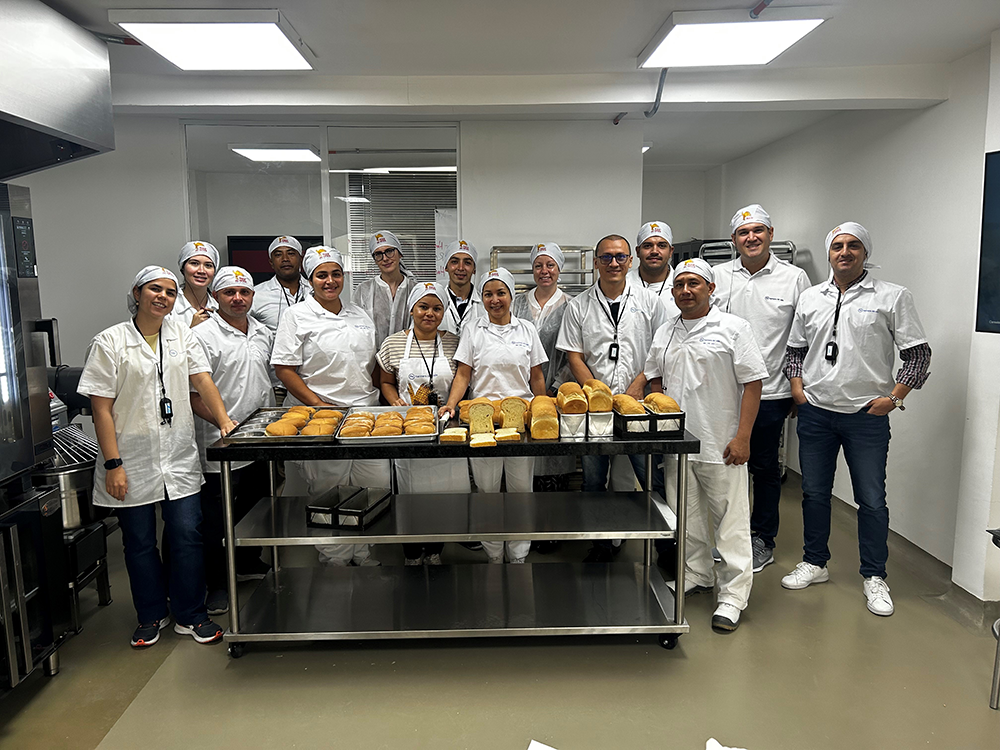
In September 2023, four technical staff from Cereals Canada travelled to Ecuador and Colombia to provide technical support to customers and to update their knowledge of use of Canadian wheat in end-products. In Colombia, a hands-on workshop was held with Harinera del Valle to support their continued use of Canadian wheat and to provide some specific technical support.
Customer visits included seminar presentations on the Canadian wheat variety registration process, how to manage downgrading factors in milling and end-products, facility tours and company update presentations to increase Cereals Canada staff knowledge of each company.
The Cereals Canada technical team visited two milling companies in Ecuador (Moderna Alimentos, Grupo Superior) and four milling companies in Colombia (Harinera del Valle, Molinos Santa Marta Organizacion Mas, Harinera Indupan) and provided technical information to over 70 staff in total over the visits.
Staff from Harinera del Valle attend a hands-on baking workshop with members of the Cereals Canada technical team.
“We love Canadian wheat; you get what you buy. Good quality and stable. When they mill 100% Canadian wheat customers don’t complain.”
– Latin American Customers of Canadian Wheat
Growing Canadian Demand
The Canadian Wheat Nutrition Initiative
Life stage and generation have a significant impact on how people enjoy wheat. Bread is a staple in many homes, especially amongst the baby boomer generation, while bagels, pasta, and crackers each make up over 10 percent of the wheat foods chosen by millennials. There are lots of reasons that Canadians eat wheat foods: it satisfies hunger, it is easy to prepare, and it can be eaten quickly. But the data shows that Canadians do not reach for wheat products because of their nutritional benefits.
What about Wheat is a campaign that aims to fill the knowledge gap for consumers with accurate science-based information about wheat nutrition. Targeting Dietitians, food influences and millennials, the goal of What About Wheat? is to be recognized as a partner resource for credible wheat nutrition information in Canada and with our global customers.
The Wheat Retreat
In April, a group of Canadian dietitians and food influencers were given the opportunity to learn about Canada’s wheat story at the four-day, immersive Wheat Retreat, presented by What About Wheat. Watch the short video above to see how the program gave dietitians and bakers a new appreciation for Canada’s wheat story and a better understanding of how to communicate wheat nutrition information to their audiences.
Growing Western Canadian Winter Wheat is one of the simplest ways farmers can support the nesting habitats of Canadian wildlife on the prairies, which is proven by research conducted by Ducks Unlimited Canada.
Administered by Cereals Canada, the Habitat-Friendly Winter Wheat Ecolabel helps consumers identify food and drink items made using 30 percent or more Western Canadian winter wheat. The ecolabel helps Canadians feel confident that the choices they make are having a positive impact on the environment by supporting wildlife habitats.
We are proud to showcase the brands making positive impacts by carrying the ecolabel.
Member and Customer Outreach
Cereals Canada informs its members and partners through the Value Chain newsletter. The monthly newsletter provides updates on Cereals Canada advocacy and initiatives, customer programming, market access issues, and technical research.
Focusing on the customer needs, the Cultivate newsletter informs domestic and global customers on how the Canadian wheat crop is progressing, information on storing Canadian grains in hot, humid climates, updates and webinars from the Cereals Canada technical team on specific research or requests, and New Crop events.
Cereals Canada Communications Efforts Recognized
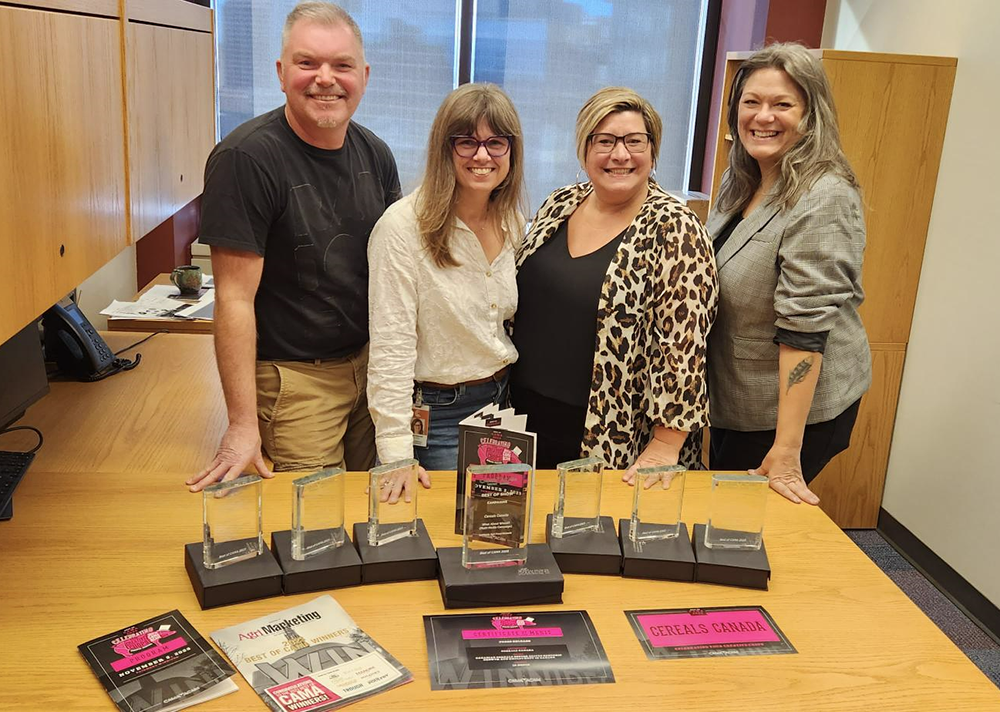
Cereals Canada took home several trophies from the Best of CAMA event, held in Winnipeg in the fall. The Canadian Agri-Food Marketers Alliance (CAMA) annually present the awards to celebrate the best in agriculture marketing and communications. See below for a list of the awards we received at the CAMA event.
Specialty: Event, Corporate, Webinars, Podcasts or Recorded Program (2022 New Crop Webinar)
Award of Merit – Press Release (Canadian Cereals Sector Drives Economic Growth in Canada)
What About Wheat?
Social Media Campaign
Multimedia Campaign)
Best of Show – Campaign
Event (Wheat Retreat)
Promotional Item (Wheat Retreat)
As well, the Cereals Canada 2021 Annual Report was recognized at the 2023 Signature Awards in late November. Founded in 1988 by the Advertising Association of Winnipeg, the Signature Awards entries are judged by an unbiased international panel of senior-working industry professionals and celebrate Manitoba’s best in marketing and advertising.
2023 Financials
Cereals Canada leverages our value chain membership investments, enabling us to continue to provide consistent programming to key markets, supporting the transfer of information to the value chain, market access initiatives, market development and research.
The financial support from the Government of Canada allows Cereals Canada to leverage our value chain investments to strengthen and maintain the brand, provide technical support to our global customers, and ensure market access success.
Expenditures
The main funding sources for 2023-24 were our industry partners and the Government of Canada through Agriculture and Agri-Food Canada's Sustainable Canadian Agricultural Partnership program. Our industry partners are comprised of Canadian farmers who fund Cereals Canada through their respective provincial wheat commission check-offs and the Industry represented by Grain Exporters, Life Science Companies and Processors. The two pillars producer and industry are equal funders and share equal governance responsibilities for the organization. In the 2023-24 fiscal period for Cereals Canada the total revenue was $8.9 million. The three top revenue sources were $5.3 million in funding from producer and industry partners, $2.1 million from AAFC for market development and applied research activities, and $0.5 million in funding from interest income. Please refer to the revenue pie chart for future information.
Expenditures
In the 2023-24 fiscal period for Cereals Canada the total expenditures were $8.4 million. The three top expenditures were $5.9 million in market development and market access activities, $1.4 million for operating and administrative expenses, and $0.5 million for consulting and technical services.
Our Board
Members of the Cereals Canada board of directors equally represent farm organizations and industry.
Jennifer Marchand
Chair of the BoardRepresentative of the grain handling firms, exporter and processors, from Cargill
Brett Halstead
Vice-ChairProducer representative from the Saskatchewan Wheat Development Commission
Gregg Fotheringham
SecretaryProducer Representative from the Manitoba Crop Alliance
Adam Dyck
TreasurerRepresentative of the grain handling firms, exporters and processors, from Warburtons
Ramzy Yelda
ProducerRepresentative from the Producteurs de grains du Québec
Josh Boersen
Producer Representative from the Grain Farmers of Ontario
Boris Michaleski
Producer Representative from the Manitoba Crop Alliance
Glenn Tait
Producer Representative from the Saskatchewan Wheat Development Commission
Greg Sears
Producer Representative from the Alberta Grains Commission
Jason Lenz
Producer Representative from the Alberta Wheat Commission
Tyler Groenveld
Representative of the grain handling firms, exporters and processors, from Corteva Canada
Matt Bingham
Representative of the grain handling firms, exporters and processors, from G3
Chris Legge
Representative of the grain handling firms, exporters and processors, from Syngenta Canada
Jean-Marc Ruest
Representative of the grain handling firms, exporters and processors, from Richardson International Limited
Chad Thomson
Representative of the grain handling firms, exporters and processors
Tessa Ritter
Representative of the grain handling firms, exporters and processors, from Viterra
Our Staff
Our Members
Cereals Canada is the national, not-for-profit organization that facilitates collaboration between partners across all sectors of the cereals value chain, with a focus on wheat, barley and oats. Our membership encompasses leading farm organizations, grain handling, export and processing companies, as well as crop development and seed companies.